

(8634) 312-326
Кольцо

Как выбрать размер кольца?
Что же делать если Вы не знаете размер кольца человека которому хотите его подарить, или просто не знаете размер своего колечка?
Несколько полезных советов.
Самый легкий вариант это раздобыть любое кольцо, которое носит человек, и померить обычной линейкой его внутренний размер. Размер в милиметрах и будет рамером вашего колечка.
Если у вас нет линейки, а кольцо можно бесприпятственно взять с собой, то в любом ювелирном магазине Вам измерят его при помощи кольцемера.
Там же, в магазине можно измерить и свой размер любого пальца, для этого существует пальцемер.

Вариант посложнее: на свернутую в трубку бумагу одеть кольцо и зафиксировать получившийся диаметр трубки, и с ним уже идти в магазин.
Еще один способ померить на свой палец кольцо и запомнить до какого момента оно оделось на Ваш палец, и уже в магазине определить размер кольца.
И помните, что по утрам и в жаркую погоду наши пальцы немного опухшие. В холодную погоду наооборот, размер пальца может немного уменьшиться.
Но даже если Вы ошиблисьи в каком либо нашем магазине купили колечко, а оно не подошло по размеру, то мы обязательно пойдем Вам на встречу и поменяем на нужный размер.
Так же можем увеличить или уменьшить купленное колечко, если оно в единственном экземпляре.
Приятных Вам покупок!
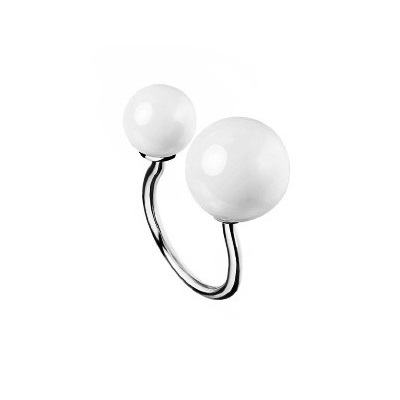
Характеристики
Гемологическое описание вставки:
рак.
Отзывы
 Оставить отзыв
lbfl1@gmail.com
15.08.24In this realm of fashion, bags often hold a cherished place as icons of prestige and style. However, for many people, the price label affixed to such high-end items remains beyond of reach. Welcome copycat handbags—a thriving industry that provides the appeal of luxury at a fraction of the cost. But with their appeal comes controversy, prompting questions about standard, lawfulness, and ethics. In this article, we'll unravel the complexities surrounding replica handbags and provide insights for fashion enthusiasts, bargain shoppers, and luxury lovers.
The Allure and Debate of Copycat Bags
Replica bags have a magnetic attraction for those who wish for the refinement of high-end brands without the hefty price tag. They provide an affordable way to enjoy the latest fashion and classic styles, making opulence seem achievable. Yet, this attraction is not lacking its dark sides. The debate over replicas has sparked a conversation about genuineness and value, questioning traditional notions of luxury.
For style lovers, replicas offer a gateway to experiment with designs they appreciate. There is a thrill in holding a purse that reflects a designer's design, fulfilling both individual fashion goals and the want for social acceptance. This broad accessibility allows more individuals to participate in the high-end dialogue, democratizing trends that were formerly exclusive.
But, the debate cannot be ignored. Critics contend that replicas undermine the artistic work of creators and add to a society of copying. This debate extends beyond appearance, touching on issues of creative property and the authenticity of creative output. As the demand of copies increases, so too does the complexity of these discussions, urging consumers to consider the broader impact.
Quality vs. Cost-effectiveness: A Contrast
When it comes to replica handbags, the primary appeal lies in affordability. But, this raises the issue of standard—is it feasible to achieve a compromise between price and quality? While authentic luxury bags are renowned for their impeccable materials and careful construction, copies aim to replicate these features at a reduced cost.
Many copycat producers have improved their methods, creating items that nearly mirror the originals. Sophisticated components and focus to finishing have raised the quality of copies, sometimes making them indistinguishable from authentic products. For bargain shoppers, this offers an enticing proposition—accessing luxury aesthetics without the monetary burden.
However, the quest of cost-effectiveness may come at a price. While certain high-quality replicas boast notable durability, some may fail behind, using inferior materials that compromise longevity. Consumers must consider the balance between cost and standard, making informed choices based on their preferences and needs.
This Legal and Ethical Consequences of Copycat Bags
This world of copycat bags is filled with legal and ethical dilemmas. On the legal side, counterfeiting infringes upon trademark rights, creating significant issues to enforcement. Brands invest heavily in safeguarding their intellectual property, leading to continuous battles against counterfeit producers. These efforts underscore the difficulty of controlling
priyapatel00325@outlook.com
15.08.24In today's Lively world, mental well staying consciousness is now more and more important. The pressures of contemporary existence, coupled with The actual ongoing international ouverture, have designed this critical to understand and handle emotional health concerns.
This Site aims to lose light on the importance of psychological health attention, its impression in Culture, And just how we can all lead to an improved community. By ordinarily the top of this kind of submit, you will consist of a deeper figuring out of mental overall health, the problems individuals deal with, and useful approaches to promote recognition.
Mental health and Health and fitness encompasses our emotional, psychological, and interpersonal nicely-staying. It influences how you think, actually really feel, and act, impacting on how we handle strain and stress and anxiety, correspond with Many others, as well as make decisions. Normal psychological health issues involve nervousness, depression, bipolar problem, and schizophrenia.
Based on the unique Earth Wellbeing Business enterprise, one in four folks around the world is going to be affected by emotional or neurological issues sooner or later inside their really possess lives. This unbelievable statistic underscores the need for reliable psychological health assistance units.
lbfl1@gmail.com
15.08.24In this world of fashion, bags often occupy a cherished position as symbols of status and style. However, for numerous people, the price tag attached to these high-end items remains beyond of reach. Welcome copycat bags—a booming industry that offers the allure of opulence at a small part of the cost. But with their attractiveness comes debate, raising questions about standard, legality, and morality. In this post, we'll unravel the complexities surrounding copycat handbags and provide perspectives for style lovers, discount buyers, and luxury aficionados.
This Allure and Discussion of Copycat Bags
Copycat handbags have a captivating attraction for those who wish for the elegance of high-end labels minus the hefty cost tag. They offer an accessible way to enjoy the latest fashion and classic designs, making opulence seem attainable. Yet, this allure is not without its shadows. The discussion over replicas has ignited a dialogue about authenticity and value, questioning conventional ideas of opulence.
For fashion enthusiasts, copies provide a gateway to experiment with designs they admire. There is a excitement in carrying a bag that mirrors a brand's design, fulfilling both personal fashion ambitions and the desire for social acceptance. This broad availability allows more people to participate in the high-end conversation, making accessible fashion that were once exclusive.
But, the debate cannot be overlooked. Critics argue that replicas undermine the artistic work of designers and contribute to a culture of copying. This debate extends beyond appearance, addressing on issues of intellectual property and the authenticity of creative expression. As the demand of replicas increases, so too does the complexity of these debates, urging consumers to reflect on the broader impact.
Standard vs. Cost-effectiveness: A Comparison
When it comes to replica handbags, the primary appeal lies in cost. But, this raises the issue of standard—is it feasible to achieve a compromise between price and craftsmanship? While authentic high-end bags are renowned for their superior components and meticulous crafting, copies aim to replicate these features at a lower cost.
Numerous replica producers have enhanced their methods, producing bags that nearly resemble the originals. Sophisticated components and attention to detail have raised the standard of copies, sometimes making them indistinguishable from authentic items. For bargain shoppers, this offers an tempting proposition—accessing designer styles without the financial burden.
Yet, the quest of affordability may come at a price. While certain high-quality replicas boast notable longevity, some may fall behind, utilizing inferior components that compromise longevity. Consumers must weigh the balance between cost and standard, making informed choices based on their priorities and expectations.
The Legal and Ethical Consequences of Copycat Bags
The realm of replica handbags is filled with legal and ethical issues. On the legal front, counterfeiting infringes upon trademark protections, creating significant issues to enforcement. Brands invest significantly in safeguarding their creative rights, leading to continuous struggles against counterfeit manufacturers. These efforts underscore the complexity of regulating
priyapatel00325@outlook.com
15.08.24In the present Energetic entire world, mental properly staying consciousness is now more and more vital. The pressures of modern existence, coupled with the particular ongoing world-wide ouverture, have designed this essential to appreciate and deal with psychological medical issues.
This Web page aims to drop mild on the significance of psychological well being focus, its effect in society, And exactly how we can easily all add to an improved Local community. By normally the tip of this kind of article, you can expect to incorporate a further understanding of mental health and fitness, the issues people deal with, and realistic methods to advertise recognition.
Psychological health and fitness and Physical fitness encompasses our psychological, psychological, and interpersonal perfectly-remaining. It influences how you're thinking that, genuinely come to feel, and act, impacting on how we take care of stress and anxiety, correspond with Many others, and even make possibilities. Common mental health issues contain anxiousness, depression, bipolar problem, and schizophrenia.
According to the individual Earth Health Business, a person in 4 individuals throughout the world will be afflicted by emotional or neurological challenges finally in their quite possess lives. This outstanding statistic underscores the necessity for good mental wellness enable units.
lbfl1@gmail.com
15.08.24In the world of style, handbags frequently occupy a cherished place as symbols of prestige and style. Yet, for many individuals, the cost label attached to such high-end products stays beyond of reach. Welcome replica bags—a booming industry that provides the allure of luxury at a small part of the price. But with their attractiveness comes debate, raising questions about standard, legality, and morality. In this article, we'll unravel the complexities surrounding replica bags and provide perspectives for fashion enthusiasts, bargain shoppers, and high-end lovers.
The Appeal and Debate of Copycat Handbags
Copycat handbags have a captivating appeal for those who wish for the refinement of high-end brands minus the hefty price label. They provide an affordable way to experience the latest fashion and timeless designs, making luxury appear achievable. Yet, this allure is not lacking its shadows. The debate over copies has sparked a dialogue about authenticity and value, challenging conventional ideas of luxury.
For fashion lovers, copies provide a gateway to try out with styles they appreciate. There is a excitement in holding a purse that reflects a designer's work, fulfilling both personal style goals and the want for social recognition. This wide accessibility allows additional people to participate in the luxury conversation, democratizing fashion that were formerly limited.
However, the debate cannot be ignored. Opponents contend that replicas diminish the creative efforts of designers and add to a culture of copying. This debate extends beyond aesthetics, touching on issues of intellectual rights and the integrity of artistic expression. As the popularity of copies grows, so too does the complication of these debates, prompting consumers to reflect on the wider implications.
Standard vs. Cost-effectiveness: A Comparison
When it comes to replica handbags, the main appeal lies in affordability. But, this raises the issue of quality—is it feasible to achieve a balance between cost and quality? While genuine high-end items are famous for their superior materials and careful crafting, copies aim to replicate these features at a reduced cost.
Numerous replica producers have improved their methods, producing items that nearly mirror the genuine items. Advanced components and focus to finishing have elevated the quality of replicas, sometimes making them hard to distinguish from genuine products. For discount shoppers, this presents an tempting proposition—accessing designer aesthetics without the financial strain.
However, the quest of cost-effectiveness may come at a price. While certain high-quality copies boast notable longevity, others may fall behind, utilizing inferior materials that compromise longevity. Consumers must weigh the trade-off between price and standard, making informed choices based on their priorities and expectations.
This Legal and Ethical Consequences of Replica Handbags
The world of copycat handbags is filled with legal and moral dilemmas. On the juridical front, forgery violates upon trademark protections, posing significant challenges to enforcement. Brands invest significantly in safeguarding their creative rights, leading to ongoing struggles against counterfeit manufacturers. These initiatives highlight the difficulty of controlling
lbfl1@gmail.com
15.08.24In this realm of style, handbags often occupy a coveted position as icons of prestige and fashion. Yet, for many people, the price label affixed to these high-end products remains out of access. Enter replica bags—a thriving industry that offers the allure of luxury at a fraction of the cost. However with their appeal comes debate, raising questions about quality, lawfulness, and morality. In this post, we'll explore the intricacies surrounding replica handbags and offer insights for style lovers, discount shoppers, and high-end aficionados.
The Appeal and Debate of Copycat Handbags
Copycat bags have a captivating appeal for those who wish for the elegance of luxury brands without the heavy price label. They offer an accessible way to enjoy the latest fashion and classic styles, making luxury seem achievable. Yet, this attraction is not lacking its dark sides. The debate over replicas has sparked a conversation about genuineness and worth, challenging traditional ideas of luxury.
For style enthusiasts, replicas offer a pathway to experiment with designs they admire. There is a thrill in carrying a bag that mirrors a designer's design, satisfying both individual fashion ambitions and the desire for social acceptance. This broad accessibility allows additional individuals to participate in the high-end dialogue, democratizing fashion that were formerly exclusive.
But, the controversy cannot be ignored. Critics contend that replicas diminish the creative work of designers and add to a society of copying. This debate extends beyond aesthetics, addressing on issues of creative property and the authenticity of artistic expression. As the demand of copies increases, so too does the complexity of these debates, prompting consumers to consider the wider impact.
Standard vs. Cost-effectiveness: A Contrast
When it comes to replica bags, the main attraction lies in cost. However, this raises the question of standard—is it feasible to achieve a compromise between price and quality? While authentic high-end items are famous for their superior components and meticulous construction, copies aim to replicate these features at a lower cost.
Many replica producers have enhanced their methods, creating items that nearly resemble the genuine items. Sophisticated materials and focus to finishing have raised the quality of copies, sometimes making them indistinguishable from authentic items. For bargain buyers, this presents an enticing proposition—accessing luxury styles without the financial strain.
However, the quest of affordability may come at a price. While some high-quality copies boast notable longevity, others may fail short, using inferior materials that compromise durability. Consumers must weigh the balance between cost and quality, making wise choices based on their priorities and needs.
The Jurisdictional and Moral Consequences of Copycat Bags
This world of copycat bags is fraught with legal and moral issues. On the juridical side, counterfeiting violates upon brand protections, posing significant issues to implementation. Brands spend heavily in protecting their creative rights, leading to ongoing battles against counterfeit manufacturers. These efforts highlight the complexity of regulating
lbfl1@gmail.com
15.08.24In the world of fashion, bags often hold a coveted place as symbols of status and fashion. Yet, for many individuals, the price tag attached to such high-end products stays out of access. Welcome copycat handbags—a booming industry that provides the appeal of opulence at a fraction of the cost. But with their attractiveness comes debate, raising questions about quality, lawfulness, and ethics. In this post, we'll explore the intricacies surrounding replica handbags and provide perspectives for fashion enthusiasts, bargain shoppers, and luxury aficionados.
The Allure and Debate of Copycat Bags
Copycat bags have a magnetic appeal for those who wish for the elegance of high-end brands without the heavy cost label. They offer an accessible way to enjoy the newest trends and classic styles, making luxury appear attainable. However, this allure is not lacking its shadows. The discussion over copies has sparked a dialogue about genuineness and value, questioning conventional ideas of luxury.
For style enthusiasts, copies provide a pathway to try out with designs they admire. There is a thrill in holding a purse that reflects a designer's work, satisfying both personal style goals and the want for social recognition. This broad accessibility allows more individuals to participate in the luxury conversation, democratizing fashion that were once exclusive.
But, the debate cannot be ignored. Critics contend that copies undermine the artistic work of creators and contribute to a society of copying. This debate extends beyond appearance, touching on issues of creative property and the integrity of creative expression. As the demand of copies increases, so too does the complication of these discussions, urging consumers to consider the wider impact.
Standard vs. Cost-effectiveness: A Comparison
When it comes to copycat handbags, the primary appeal lies in cost. However, this raises the issue of quality—is it possible to achieve a compromise between price and quality? While genuine luxury bags are renowned for their impeccable materials and careful construction, copies aim to replicate these qualities at a lower price.
Many copycat manufacturers have enhanced their techniques, producing bags that closely resemble the genuine items. Advanced components and focus to detail have elevated the quality of copies, sometimes making them indistinguishable from authentic products. For bargain buyers, this offers an tempting proposition—accessing designer styles without the financial strain.
However, the pursuit of cost-effectiveness may come at a price. While certain high-quality copies boast impressive longevity, others may fall behind, using inferior components that compromise durability. Consumers must weigh the trade-off between price and quality, making informed choices based on their preferences and needs.
This Jurisdictional and Ethical Consequences of Replica Bags
This realm of copycat bags is fraught with juridical and ethical dilemmas. On the legal side, counterfeiting violates upon brand protections, creating significant issues to implementation. Brands invest significantly in safeguarding their creative property, leading to continuous struggles against counterfeit producers. These efforts highlight the complexity of regulating
lbfl1@gmail.com
14.08.24In this realm of style, handbags often hold a coveted position as symbols of prestige and style. However, for numerous people, the price tag affixed to such high-end items stays out of access. Welcome replica bags—a booming sector that provides the allure of opulence at a fraction of the price. However with their appeal comes controversy, raising questions about standard, lawfulness, and ethics. In this article, we'll explore the intricacies surrounding copycat handbags and offer insights for style lovers, bargain shoppers, and luxury aficionados.
This Appeal and Debate of Copycat Bags
Replica bags have a magnetic attraction for those who wish for the elegance of luxury labels minus the heavy price tag. They provide an affordable way to experience the newest fashion and timeless styles, making opulence seem achievable. However, this attraction is not lacking its shadows. The debate over copies has sparked a dialogue about authenticity and worth, questioning traditional notions of luxury.
For fashion enthusiasts, copies provide a gateway to try out with designs they appreciate. There is a excitement in holding a purse that mirrors a designer's work, fulfilling both personal fashion ambitions and the desire for social acceptance. This wide accessibility allows more individuals to participate in the high-end dialogue, democratizing fashion that were formerly limited.
But, the debate cannot be ignored. Critics argue that copies diminish the artistic efforts of creators and contribute to a society of imitation. This debate extends beyond appearance, addressing on issues of creative property and the authenticity of artistic output. As the popularity of replicas grows, so too does the complication of these discussions, urging consumers to consider the broader implications.
Quality vs. Affordability: A Contrast
When it comes to replica handbags, the main attraction lies in cost. However, this raises the issue of standard—is it feasible to achieve a balance between price and quality? While genuine luxury items are famous for their impeccable components and meticulous construction, copies aim to mimic these qualities at a lower price.
Many copycat manufacturers have improved their techniques, creating items that nearly mirror the originals. Sophisticated materials and attention to finishing have raised the quality of copies, sometimes making them indistinguishable from genuine products. For discount buyers, this offers an enticing offer—accessing luxury aesthetics without the monetary burden.
However, the quest of cost-effectiveness may come at a price. While certain high-quality copies boast notable longevity, some may fall short, using inferior materials that compromise durability. Consumers must weigh the balance between cost and quality, making wise decisions based on their preferences and expectations.
The Legal and Moral Consequences of Replica Bags
This realm of copycat bags is filled with legal and moral issues. On the juridical front, forgery violates upon trademark protections, posing significant challenges to enforcement. Companies invest heavily in safeguarding their intellectual property, leading to ongoing battles against counterfeit producers. These initiatives underscore the difficulty of regulating
lbfl1@gmail.com
14.08.24In the world of style, handbags often hold a cherished position as icons of prestige and fashion. Yet, for numerous people, the cost label affixed to these luxury items remains out of reach. Welcome replica handbags—a booming sector that offers the allure of opulence at a fraction of the cost. However with their attractiveness comes controversy, prompting questions about quality, lawfulness, and morality. In this article, we'll unravel the intricacies surrounding copycat handbags and offer insights for style lovers, discount buyers, and high-end aficionados.
This Appeal and Discussion of Copycat Handbags
Copycat handbags have a magnetic appeal for those who wish for the elegance of luxury labels minus the heavy price label. They offer an affordable way to enjoy the latest trends and classic styles, making luxury seem achievable. Yet, this allure is not without its dark sides. The debate over replicas has sparked a conversation about authenticity and value, questioning conventional notions of opulence.
For style lovers, copies offer a pathway to try out with styles they appreciate. There is a excitement in carrying a purse that mirrors a brand's design, satisfying both individual fashion goals and the want for community recognition. This broad accessibility allows additional people to participate in the luxury conversation, democratizing trends that were formerly limited.
However, the controversy cannot be overlooked. Opponents argue that copies undermine the creative efforts of designers and add to a culture of imitation. This debate extends beyond appearance, addressing on issues of creative rights and the authenticity of artistic expression. As the popularity of copies increases, so too does the complication of these discussions, prompting consumers to reflect on the broader implications.
Standard vs. Affordability: A Comparison
When it comes to replica bags, the main attraction lies in affordability. But, this raises the issue of standard—is it possible to achieve a compromise between price and quality? While authentic luxury bags are renowned for their superior materials and careful construction, replicas aim to replicate these features at a reduced price.
Many copycat producers have improved their techniques, producing items that closely resemble the originals. Advanced materials and focus to detail have raised the standard of replicas, sometimes making them indistinguishable from authentic items. For bargain shoppers, this offers an enticing offer—accessing designer aesthetics without the financial burden.
However, the pursuit of cost-effectiveness may come at a price. While some high-quality copies boast notable longevity, some may fall short, utilizing inferior materials that compromise longevity. Consumers must consider the balance between price and standard, making wise choices based on their preferences and expectations.
The Jurisdictional and Ethical Consequences of Copycat Handbags
The realm of copycat handbags is filled with juridical and moral issues. On the juridical side, forgery infringes upon brand protections, posing significant challenges to implementation. Brands invest heavily in safeguarding their creative rights, leading to continuous battles against fake producers. These efforts highlight the complexity of regulating
lbfl1@gmail.com
14.08.24In the realm of fashion, bags frequently occupy a cherished place as icons of status and style. However, for numerous people, the cost tag attached to such high-end products stays out of reach. Welcome replica bags—a thriving sector that offers the appeal of luxury at a small part of the price. But with their appeal comes debate, prompting questions about quality, legality, and ethics. In this article, we'll unravel the intricacies surrounding replica handbags and provide insights for fashion lovers, bargain shoppers, and luxury aficionados.
This Appeal and Debate of Copycat Handbags
Copycat handbags have a magnetic appeal for those who wish for the elegance of luxury brands without the hefty price tag. They provide an affordable way to enjoy the newest fashion and classic designs, making opulence appear achievable. However, this attraction is not without its shadows. The discussion over replicas has sparked a dialogue about genuineness and worth, questioning conventional ideas of luxury.
For style enthusiasts, copies provide a pathway to try out with styles they appreciate. There is a thrill in carrying a purse that mirrors a designer's work, satisfying both individual style goals and the desire for social recognition. This broad availability allows additional individuals to participate in the luxury dialogue, making accessible fashion that were once limited.
But, the debate cannot be ignored. Opponents contend that copies undermine the creative efforts of creators and add to a society of imitation. This debate goes beyond aesthetics, touching on issues of intellectual rights and the authenticity of creative output. As the demand of copies increases, so too does the complexity of these discussions, prompting consumers to reflect on the broader implications.
Standard vs. Cost-effectiveness: A Comparison
When it comes to copycat bags, the primary attraction lies in affordability. However, this raises the question of quality—is it possible to achieve a balance between cost and craftsmanship? While genuine luxury items are renowned for their impeccable components and careful construction, copies aim to replicate these features at a lower price.
Many replica manufacturers have enhanced their methods, creating items that closely mirror the genuine items. Advanced components and attention to finishing have raised the quality of replicas, sometimes making them hard to distinguish from genuine items. For bargain buyers, this presents an tempting offer—accessing designer styles without the monetary strain.
However, the quest of affordability may come at a price. While certain high-quality replicas boast notable durability, others may fall short, utilizing inferior components that compromise durability. Consumers must consider the trade-off between price and standard, making informed decisions based on their priorities and expectations.
This Legal and Moral Consequences of Replica Bags
The world of replica bags is fraught with juridical and ethical dilemmas. On the juridical side, forgery infringes upon brand protections, creating significant issues to enforcement. Companies invest heavily in safeguarding their creative property, leading to ongoing struggles against fake producers. These initiatives underscore the complexity of controlling
Оставьте свой отзыв
Похожие изделия

-
 Кольцо с каучуком
614 р.
-
 Кольцо с танзанитом пр-ль SOKOLOV
5040 р.
-
 Кольцо с нанотопазом
6299 р.
-
 Кольцо пр-ль SOKOLOV
3909 р.
-
 Кольцо
5143 р.
-
 Кольцо с танзанитом пр-ль SOKOLOV
4752 р.
-
 Кольцо пр-ль SOKOLOV
3703 р.
-
 Кольцо пр-ль SOKOLOV
2342 р.
-
 Кольцо пр-ль SOKOLOV
2186 р.

